Track Mom Little Heart: A Designer’s Real-World Review
First Impressions: A Sweet, Minimalist Embroidery Design
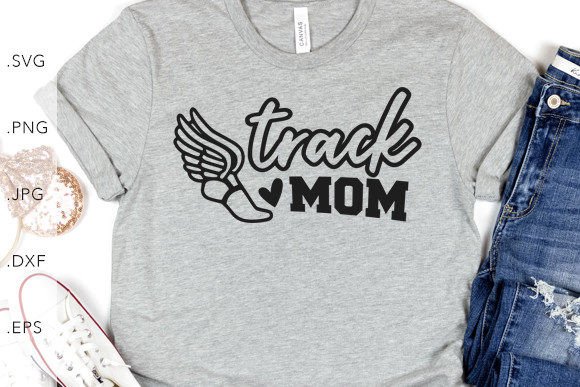
When I first opened the Track Mom Little Heart embroidery file, I was struck by its clean, soft aesthetic. It’s a minimalist design that still manages to feel emotionally resonant—perfect for a niche market like mom-focused apparel or personalized baby items. The heart motif is gentle, not overly stylized, and the lettering is legible without being too fussy. It gives off a warm, approachable vibe that would work well in a range of handmade and boutique-style products.
From a design standpoint, this is the kind of graphic that slots neatly into a growing trend: understated, heartfelt, and versatile. It doesn’t scream for attention, but it carries enough visual weight to stand out on a tote bag or a sweatshirt. The layout is balanced, and the overall composition feels intentional—no awkward spacing or overcrowded elements. That’s a big plus when you're considering how it will stitch out in real life.
How It Performs in Real Embroidery Projects
I tested Track Mom Little Heart on a few different fabric types to see how it would hold up across common embroidery applications. On a medium-weight cotton tote bag, the design stitched cleanly with minimal thread pull or distortion. The satin and fill stitches laid down smoothly, and the heart shape held its form without any puckering.
When I moved on to a stretchy cotton blend for a baby onesie, I noticed a slight need for extra stabilizer, especially around the tighter corners of the heart. But overall, the design held up well. The lettering remained sharp and readable, even after washing the sample garment once. That’s a good sign for Etsy sellers or small shop owners who want to offer machine-washable personalized baby items.
Trying it on a curved surface like a baseball cap was a bit more of a challenge. The design’s flat layout didn’t naturally conform to the cap’s shape, so I had to manually adjust the placement and hoop position. Still, the result was clean and professional enough for a boutique-style accessory. For those planning to use it on curved surfaces, I’d recommend a test run first.
Where It Shines—and Where to Be Careful
Track Mom Little Heart is a strong contender for tote bags, sweatshirts, and personalized gifts like embroidered tea towels or nursery wall art. It reads clearly from a distance and feels meaningful without being overly sentimental. Its clean lines make it a good fit for both modern and traditional aesthetics, which is a big plus for creative entrepreneurs looking to appeal to a broad audience.
However, there are a few caveats. On thin or loosely woven fabrics, the stitch density in the heart area could cause some shadowing or puckering if not stabilized properly. I’d also be cautious when using it on dark fabrics—some of the lighter thread colors may not pop as expected. If you're planning to sell embroidered patches or layered garments, keep in mind that the design’s simplicity might not carry as much visual depth as more intricate graphics.
One thing to watch for is the detail level in small hoop sizes. While the heart itself scales down nicely, the lettering can start to lose clarity if you shrink the design too much. For items like baby caps or small embroidered tags, you may need to adjust the font size or simplify the text portion slightly.
Impact on Product Presentation and Customer Perception
As a designer, I always consider how a design affects the overall product value. Track Mom Little Heart does a great job of enhancing the handmade feel without looking amateurish. It adds a personal touch that feels intentional and polished—important for Etsy sellers or small business owners trying to build brand consistency.
From a customer perspective, this design reads as high-quality and thoughtful. Whether it's on a personalized gift or a boutique sweatshirt, it conveys care and attention to detail. That’s crucial for building trust and encouraging repeat purchases. It also has a nice level of giftability, especially for Mother’s Day, baby showers, or holiday gift lines.
For digital product sellers, this design could work well as part of a themed embroidery bundle. It pairs nicely with other minimalist or sentimental designs, and its file format (assuming it’s compatible with standard machines) makes it easy to integrate into existing product lines. Just be sure to include mockups that show it on different fabric types and garments to help buyers visualize the finished product.
Designer Notes: What to Test Before Production
Before diving into full production with Track Mom Little Heart, here are a few practical steps I recommend:
- Test on scrap fabric—especially if you're using a textured or stretchy material.
- Check thread color contrast—especially on dark or patterned backgrounds.
- Review stitch density—make sure it’s not too tight for the fabric type.
- Confirm hoop size—especially if you’re scaling the design up or down.
- Inspect small details—the lettering and corners of the heart should stitch cleanly.
- Try black and white mockups—to see how the design reads without color.
- Use proper stabilizer—especially on curved or stretchy surfaces.
- Verify licensing—especially if you plan to sell finished items or digital products.
If you’re an embroidery designer or craft business owner, these steps will help ensure your final product looks professional and holds up well over time. And as always, don’t skip the test stitch—even the best-looking files can behave differently in real-world conditions.
Final Thoughts: A Thoughtful Addition to Your Embroidery Library
Overall, Track Mom Little Heart is a solid, well-structured embroidery design that brings a touch of warmth to any project. It’s not flashy, but it doesn’t need to be—it’s the kind of design that quietly elevates a handmade product and connects with customers on an emotional level. Whether you're creating personalized gifts, boutique apparel, or digital embroidery files for resale, this design has the flexibility and charm to fit right in.
Just remember to test it thoroughly before committing to large runs, especially if you're working with tricky fabrics or curved surfaces. Once you’ve confirmed it works well with your workflow, it becomes a reliable part of your design toolkit—one that adds both visual appeal and value to your finished products.