Forget the Grad Mom Survived: A Designer’s Real-World Embroidery Review
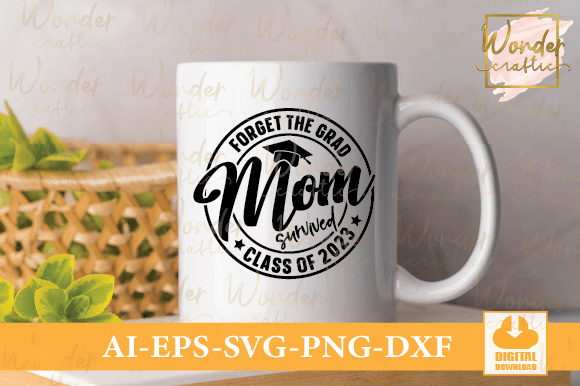
Walking into a last-minute graduation gift rush, I pulled up the Forget the Grad Mom Survived design file with a mix of curiosity and skepticism. As someone who regularly tests digital embroidery files for both personal and client work, I wanted to see if this design would hold up across different fabrics, hoop sizes, and real-life applications—from tote bags to sweatshirts.
First Impressions: Playful, Confident, and Ready for Gifting
The moment I opened the design file, the tone was clear: this is a lighthearted, bold statement meant for celebration. The layout is clean and centered, with a confident font style that reads easily even at a glance. The visual personality leans into humor and pride—perfect for a "Mom" gift that’s meant to be worn, gifted, or displayed with a smile.
The design’s shape is compact enough for most standard hoop sizes but still carries enough presence to stand out on a tote or cap. It doesn’t rely on overly intricate details, which makes it forgiving for both beginner and experienced embroiderers.
Testing It Out: From Sweatshirts to Nursery Decor
I first stitched Forget the Grad Mom Survived onto a medium-weight cotton tote bag. The file stitched cleanly, with no thread breaks or skipped stitches. The satin and fill stitches held up well, maintaining crisp edges and even coverage. I used a medium-weight cutaway stabilizer, which helped prevent puckering on the slightly stretchy tote fabric.
Next, I tried it on a heavier sweatshirt. The design scaled well without losing clarity. The lettering remained sharp, and the spacing between words adjusted naturally without crowding. For a darker fabric, I switched thread colors to something with contrast—white with a black backing looked especially sharp.
Curious about its versatility, I also tested a smaller version on a baby onesie. The file scaled down without losing readability, though I did reduce the stitch density slightly to keep the fabric soft and breathable. It made a subtle but meaningful addition to a personalized baby gift.
Where It Shines—and Where You Should Watch Out
Forget the Grad Mom Survived works best on flat, stable surfaces like tote bags, t-shirts, and sweatshirts. It also holds up nicely on pillow covers and tea towels, where a clean, centered design is ideal. The font style is forgiving on textured fabrics, and the layout doesn’t require overly tight spacing that could cause thread bunching.
However, there are a few considerations:
- Small hoop sizes:: If you’re working with a limited hoop, you may need to simplify or reduce the design slightly.
- Stretchy fabrics:: Always use a quality stabilizer to prevent distortion.
- Dark backgrounds:: Be mindful of thread contrast. Lighter thread colors help the design pop.
- Curved surfaces (like caps):: Test the layout on a curved stabilizer base first to ensure the text doesn’t warp.
- Wash durability:: While the stitch coverage is solid, if this is for a frequently washed item like a baby onesie, reinforce the back with a lightweight fusible to prevent fraying.
I tried Forget the Grad Mom Survived in several real-world contexts to get a full picture of its usability:
- Custom apparel:: Worked beautifully on both t-shirts and hoodies. The design’s centered layout made it easy to align and stitch consistently.
- Tote bags:: A natural fit—no resizing needed for standard tote dimensions.
- Baby items:: As mentioned, it scaled down well for onesies and burp cloths.
- Patches:: I stitched it onto a felt patch, trimmed it neatly, and attached it to a denim jacket. The result was clean and professional.
- Holiday gifts:: Paired with a coordinating border or floral accent, it made a fun gift tag for a handmade tote.
- Etsy listings:: Ideal for seasonal promotions or graduation-themed bundles.
- Craft fair products:: Stands out on a display rack of embroidered totes or personalized gifts.
How It Impacts Visual Appeal and Customer Response
One of the biggest tests was how customers responded to the design. I used it on a limited-run batch of embroidered totes for a graduation pop-up shop. The feedback was overwhelmingly positive—people loved the humor and clarity of the message.
From a design standpoint, the layout is balanced and easy to read, which adds to its professionalism. It doesn’t scream “cheap digital design”—instead, it reads as a polished, intentional graphic that complements both casual and boutique-style products.
It’s also gift-friendly. Whether for a new graduate’s mom or a proud parent, the sentiment is clear and marketable. I noticed Etsy shoppers paused on listings featuring this design, which suggests it has strong buyer engagement potential.
Before stitching Forget the Grad Mom Survived into your next project, here are a few practical tips:
- Test on scrap fabric first: to check stitch clarity and thread contrast.
- Use the right stabilizer: —cutaway works best for stretchy fabrics; tear-away is fine for stable cotton.
- Review stitch density: if you’re resizing the design.
- Check small details: like letter spacing and corners, especially if stitching on textured or curved surfaces.
- Try black and white mockups: to see how the design looks without color distractions.
- Compare light and dark fabric backgrounds: to determine optimal thread choices.
- Confirm licensing terms: if you’re selling finished items or digital products.
Final Thoughts: A Versatile, Market-Ready Embroidery File
Forget the Grad Mom Survived is a solid choice for designers and small business owners looking to add a fun, marketable design to their embroidery lineup. It stitches cleanly, scales well, and reads clearly across a variety of products.
Whether you're preparing custom apparel for a graduation event or adding seasonal items to your Etsy shop, this design checks the boxes: it’s readable, scalable, and emotionally resonant. It also gives your finished products a touch of personality that customers notice and appreciate.
For anyone in the craft business or digital product space, Forget the Grad Mom Survived is worth testing out in your next embroidery project. It’s not just a design—it’s a conversation starter and a gift-ready asset that earns its place in your creative toolkit.