Mom Hugging Kid Illustration: A Designer’s Honest Review
First Impressions: Heartfelt, Timeless, and Ready for Real Projects
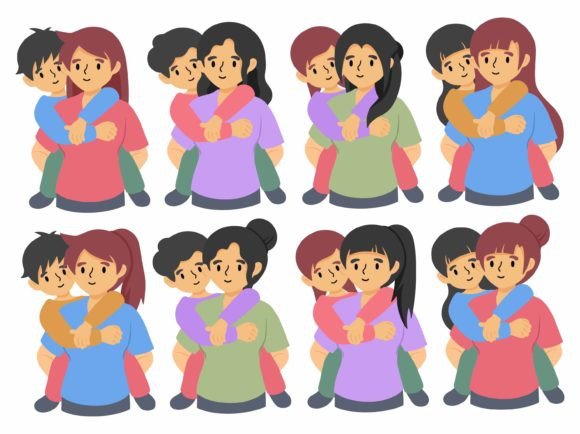
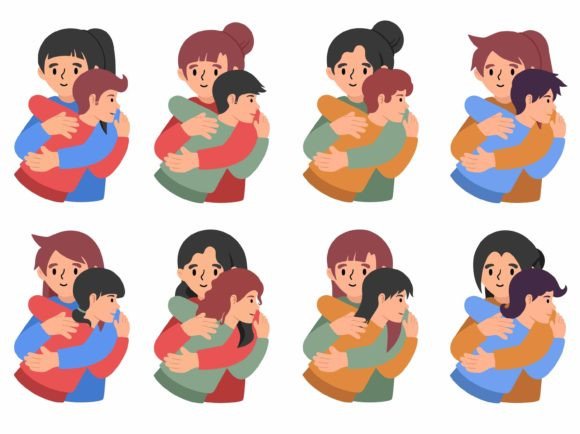
The first time I opened the Mom Hugging Kid Illustration, I was struck by how warm and approachable it felt. It’s not just a design—it’s a moment captured in vector form. The illustration shows a mother embracing her child in a gentle, close pose that feels genuine, not staged. From a design standpoint, the layout is balanced, with soft curves and a clear focal point that draws the eye naturally to the center of the hug. It has a soft, storybook quality that makes it perfect for embroidered items aimed at moms, kids, and families.
This isn’t a flashy design—it doesn’t need to be. Its strength lies in its emotional resonance. If you're creating personalized gifts, baby items, or boutique-style apparel, this illustration can instantly add a human touch without overwhelming the product.
Real-World Use: How It Performs in Embroidery Projects
I tested the Mom Hugging Kid Illustration on a few different fabric types to get a sense of how it would translate from screen to stitch. First, I tried it on a cotton tote bag—perfect for a small business owner selling handmade goods or an Etsy seller looking to offer custom bags for Mother’s Day or baby showers.
On the tote, the design stitched cleanly, with smooth transitions between elements. The lines of the figures held up well, and the detail in the facial expressions remained visible, even at a smaller size. I resized it slightly for a baby onesie next, and while some of the finer details softened, the overall emotional impact was still there. That’s a win for a design that’s meant to be versatile across sizes and fabric types.
It also looked great on a sweatshirt mockup. The softness of the illustration contrasted nicely with the texture of the fleece, making it feel like a premium, handcrafted gift rather than a mass-produced print. For crafters and small shop owners, that’s a huge selling point.
Where to Use It Wisely: Fabric, Fit, and Detail Considerations
While the Mom Hugging Kid Illustration is versatile, it does have some nuances that are worth noting. For example, on stretchy fabrics like jersey or lightweight knits, the softer lines can lose some definition unless you use the right stabilizer and adjust tension carefully. I found that using a medium-weight cutaway stabilizer helped maintain the shape of the figures, especially around the arms and hairline.
Dark fabrics also posed a challenge. Because the original illustration is line-based and doesn’t use heavy fills, some of the subtler features—like the child’s fingers or the folds in the clothing—can get lost on black or navy backgrounds. I recommend using light thread outlines or adding a subtle white fill behind the main figures if you’re stitching on dark fabric.
Also, be cautious when using this design on curved surfaces like caps or mugs. The illustration has a horizontal layout that works best on flat, even areas like the chest of a shirt or the center of a tote. On a curved cap, the hugging figures can look distorted unless you adjust the design or scale it down significantly.
Impact on Product Appeal and Customer Response
One of the biggest strengths of this illustration is how it affects the perceived value of the finished product. Whether it’s stitched onto a personalized pillow cover or printed on a custom greeting card, the design elevates the item from “just a product” to “a keepsake.”
I shared a sample tote with a few friends who run small craft businesses, and their reactions were overwhelmingly positive. They saw immediate potential for use in baby showers, Mother’s Day events, and even as part of a nursery decor line. The emotional resonance of the image makes it easy to market—it doesn’t need a lot of explanation. People get it right away.
For Etsy sellers and digital product creators, this kind of design is gold. It’s not overly niche, but it’s specific enough to appeal to a clear audience. That makes it easier to create listings that convert, especially when paired with the right mockups and branding.
Design Tips for Embroidery Success
- Test on scrap fabric first—especially if you’re working with textured or stretchy materials.
- Check thread color contrast to ensure the key elements stand out, particularly on dark backgrounds.
- Review stitch density—the design may need slight adjustments if you notice gaps or distortion after the first test run.
- Confirm hoop size before stitching, especially if you’re resizing the design for different projects.
- Inspect small details like fingers or facial features after stitching to make sure they hold up.
- Use proper stabilizer based on the fabric type—cutaway for stretchy materials, tear-away for stable weaves.
- Test in black and white mockups to see how the design reads without color.
- Compare light and dark fabric backgrounds to determine the best use case for your product line.
- Check licensing before selling finished items or offering the design as part of a digital product pack.
Final Thoughts: A Design That Feels Like Home
As a designer who evaluates dozens of embroidery files each month, I appreciate when a design like the Mom Hugging Kid Illustration comes along. It’s not just technically sound—it’s emotionally resonant. It’s the kind of image that makes a customer pause, smile, and maybe even think of someone they love.
Whether you're creating custom apparel, personalized gifts, or small shop merchandise, this illustration has the flexibility to work across multiple product types while maintaining a consistent, heartfelt theme. It’s a great example of how a simple, well-executed design can elevate a handmade product from functional to memorable.
If you're looking for a design that speaks to the heart of your audience while holding up under real-world embroidery conditions, the Mom Hugging Kid Illustration is definitely worth adding to your collection.